
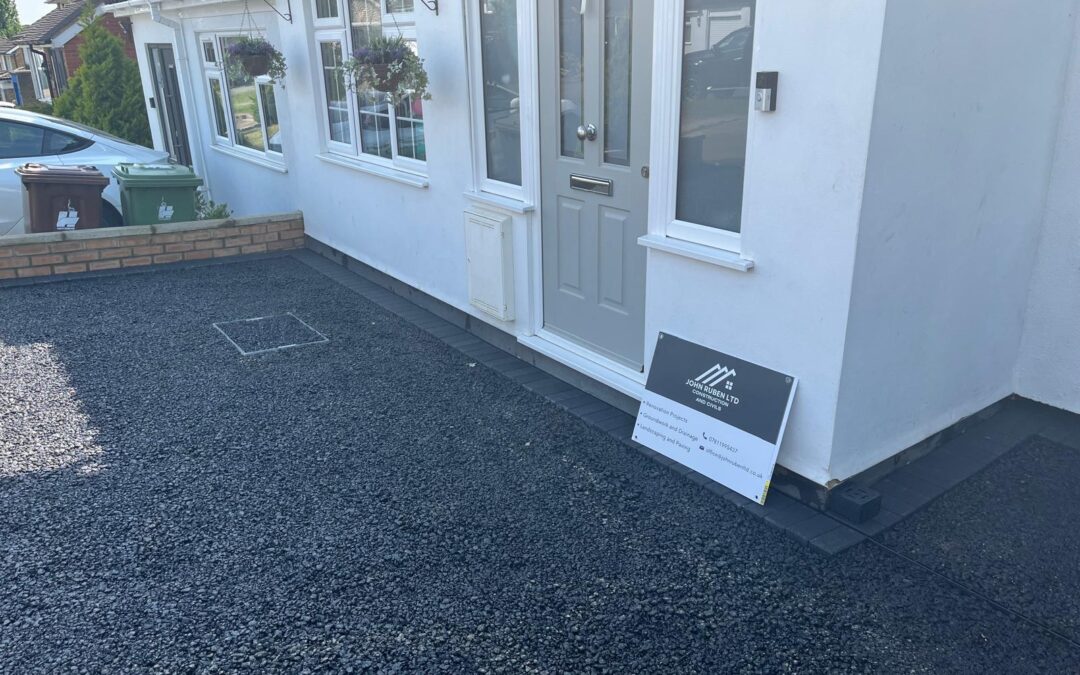
Straightforward maintenance is one of the many reasons why so many homeowners are installing resin driveways. In most cases, regular sweeping, occasional cleaning and dealing with stains, weeds or debris is all that’s needed to keep the drive looking its best.
Although, like any other outdoor material, resin-bound aggregates aren’t completely maintenance-free. Everyday dirt and wear can leave their mark over time, while shaded or damp areas often need a little more attention. A simple routine is usually enough to keep the surface in good condition long-term and help you spot any damage early.
The Everyday Maintenance a Resin Driveway Needs
Most resin driveways don’t need excessive maintenance. Everyday care mainly involves keeping the surface clear and removing general dirt before it has a chance to build up.
How often you need to do this will depend on the property. For example, a driveway surrounded by trees is likely to collect leaves, seeds and other organic debris more quickly, while a driveway used by several vehicles every day can show more tyre marks or general dirt. So, there’s no fixed maintenance schedule that every resin driveway needs to follow. It’s better to keep an eye on the surface and clean it when needed.
Keeping the Surface Clear
Regular sweeping is one of the easiest ways to look after a resin-bound driveway. Leaves, loose soil, grit and other debris naturally find their way onto outdoor surfaces. Removing them regularly stops material building up in corners and along the edges.
This becomes particularly important during the autumn, when fallen leaves can quickly cover a driveway. If they’re left to break down, they can create damp organic material on the driveway surface and contribute to staining or moss growth. For normal day-to-day cleaning, a stiff broom is usually enough.
John’s Tip: “After more than 25 years in the trade, my advice is simple: don’t let leaves sit on your driveway. If they’re left to rot in the corners or block drainage channels, they can quickly make a good driveway look tired. A quick sweep every week or so through autumn can save a lot of hassle. On a newly laid driveway, I’d also avoid turning the steering wheel while the car is stationary, particularly on hot days.”
Cleaning a Resin Driveway Properly
Every so often, a resin driveway will need more than just a sweep. You can then wash the driveway with clean water or use suitable mild cleaning products where needed. It’s generally best to start with the least aggressive method and only use stronger products where they are genuinely needed. If you’re using a specialist cleaner, check that it’s suitable for resin-bound surfaces and follow the manufacturer’s instructions.
Areas where vehicles regularly drive might need more attention than the rest of the driveway, as can sections close to the road where dust and dirt are carried onto the surface more often. Regular, lighter cleaning is usually easier than letting grime build up over time.
Using a Pressure Washer Without Damaging the Surface
You can pressure wash a resin driveway, but do it carefully. Generally, you don’t need to use high-pressure jets very close to the surface, and excessive pressure concentrated on one small area can even cause damage.
A gentler setting from a sensible distance is usually more appropriate. However, for ordinary dirt, a broom, hose and mild cleaner can be enough without needing a pressure washer at all.
Dealing With Weeds, Moss and Organic Growth
People often ask whether weeds can grow through resin-bound driveways. When the resin surface is installed correctly, weeds shouldn’t grow through the material itself. However, seeds can land on the surface and start to grow in small amounts of soil or organic debris. So this is another reason regular sweeping helps. If you do notice weeds on your driveway, removing them early can help prevent them becoming more established.
Shaded sections can also develop moss or algae, particularly when the surface stays damp for longer. Keeping these areas clear of leaves and other organic material can help reduce the conditions that allow growth to develop.
Removing Oil, Mud and Other Stains
Everyday vehicle use means some marks are difficult to avoid completely. Oil, mud and other vehicle fluids can occasionally end up on the driveway, and these are usually easier to deal with when treated reasonably quickly.
Start by removing loose material before cleaning the affected area with a product suitable for the type of stain. Avoid scraping stubborn marks with sharp metal tools, as this risks damaging the surface. For stubborn stains, repeat a gentle cleaning process rather than use an aggressive method that could affect the overall finish.
Seasonal Resin Driveway Maintenance
The basic approach to resin driveway maintenance stays the same year-round, but each season brings slightly different things to watch for.
Spring
Spring is a good time to clear away anything that has accumulated over winter. Sweep the driveway thoroughly, remove debris from drainage areas and give the surface a general clean. It’s also a good time to look for anything unusual, such as new movement, cracking, or areas where water isn’t draining as expected.
Summer
Resin driveways usually need less attention in summer because of the drier, sunnier weather. However, occasional cleaning is still useful to remove general dirt, and spills should be dealt with straight away rather than left to sit on the surface in the warm sunshine.
Autumn
Autumn is usually the season when sweeping is most important. Fallen leaves can collect quickly, especially when the driveway is close to trees or hedges. Removing these regularly helps keep the surface tidy and prevents drainage areas from getting blocked.
Winter
During winter, continue checking that drainage routes remain clear. Remove snow, ice, and wet debris carefully, avoiding tools that could scrape or damage the resin. If water starts collecting where it didn’t before, keep an eye on it rather than assuming it’s simply seasonal.
Everyday Habits that Damage a Resin Driveway
Good resin driveway maintenance also means avoiding unnecessary damage. Don’t drag sharp metal objects across the surface, and be careful with machinery or equipment that could scrape the finish. Avoid harsh chemicals too unless they’re confirmed as suitable for resin-bound surfacing, and avoid aggressive pressure washing, which can also cause damage.
It’s worth considering the load on the driveway too. Generally, a new resin driveway should be suitable for the vehicles that will park on it. Unusually heavy loads can affect the surface or the structure underneath if the base wasn’t designed for them. This is one reason the groundwork beneath the driveway is so important.
At John Ruben Ltd, we believe a driveway is only as good as what’s underneath it. That’s why every resin drive we lay starts with proper groundwork. We excavate to the right depth for the ground and the vehicles that will use it, remove any soft or unsuitable material, and lay a geotextile membrane to help stop weeds and keep the layers stable.
We then build up a compacted, free-draining sub-base, followed by a permeable base course, and set firm edging to hold everything in place. Levels and drainage are planned from the start, so water has somewhere to go. Many installers focus only on the finished surface, but with our groundwork background, we know that getting the base right is what makes a resin driveway last.
Extending a Resin Driveway’s Lifespan
A professionally installed resin-bound driveway can provide many years of reliable service when built on a suitable foundation and properly maintained. No single lifespan applies to every driveway because conditions vary from one property to another.
The quality of the groundwork, drainage, installation and materials all play a part, while regular maintenance helps prevent dirt and organic material from building up on the finished surface. The best results come from both good installation and sensible ongoing care.
When Maintenance is No Longer Enough
While most resin driveway care is straightforward, not every issue is a maintenance problem. Cracking, movement, loose areas or persistent pooling can suggest something more significant than dirt or surface staining.
If these problems appear, repeatedly cleaning or patching the area might not address the underlying cause. The issue could be related to the sub-base, drainage or movement underneath the driveway. It’s always better to understand why the change has happened before deciding what work is needed.
Keeping Your Resin Driveway in Good Condition
For most properties, keeping a resin-bound driveway in good condition comes down to a few simple habits. Regularly sweep away debris, give the surface an occasional clean and deal with weeds, stains or spills before they build up.
If you notice cracking, movement, drainage problems, or other issues beyond normal maintenance, our experienced team at John Ruben Ltd can assess the driveway and recommend the best next step. Contact us today to learn more about our professional resin driveway services in Potters Bar, Brookmans Park, Cuffley, Hadley Wood or the surrounding areas, to find out more about how we prepare and install each driveway from the ground up.
If you would like advice about your property or a quote for a new resin-bound driveway, get in touch and we can discuss your requirements.